The Anatomy of Satire: From Ancient Theatres to Modern Screens
Satire, as a form of cultural expression, has evolved from the plays of Aristophanes to contemporary comedy sketches, retaining its essential role as a mirror of society. This analysis explores its structure and mechanisms.
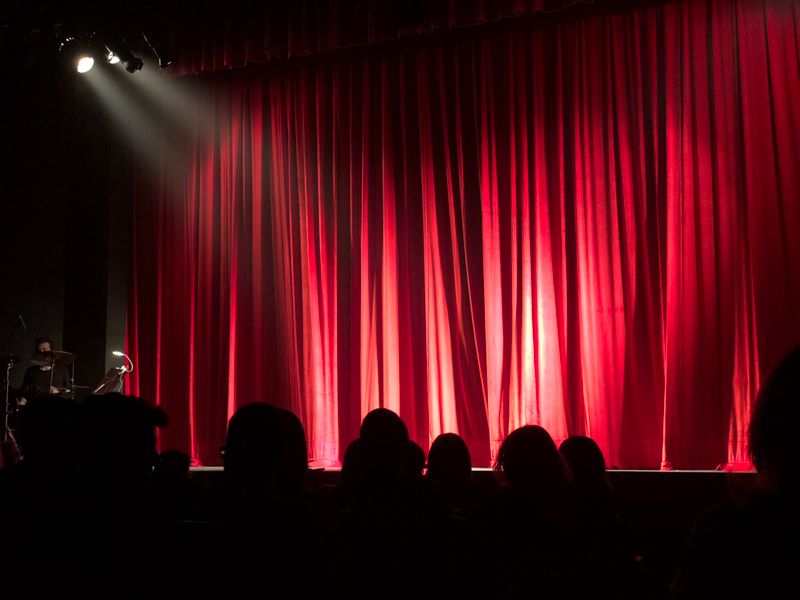
Theatre masks – symbols of the duality of comedy and tragedy.
The Temporal Structure of a Joke
The study of timing in comedy reveals a complex architecture. The pause between the setup and the punchline, for example, is not arbitrary; it is calibrated to maximize the emotional and intellectual impact on the audience.
- Setup: Establishing the context and expectations.
- Pause: The moment of tension and anticipation.
- Punchline: The subversion of expectations, the comic release.
Social Commentary through Parody
Parody exaggerates the conventions of a genre or a public figure to highlight their absurdities. It is a powerful tool of cultural criticism, which works through familiarity and recognition.
"Humor is not an escape from reality, but a method of examining it more closely. Satire is the scalpel of this method."
— Excerpt from "The Art of Laughter", 2021
In conclusion, the study of comedy as a cultural performance allows us to decode not only the mechanisms of amusement but also how societies relate to norms, taboos, and themselves.
Associated Study Materials
For academic correctness, all sources are cited in the platform's archive. For questions regarding the content, contact the editorial team at info@cultcomedy.com.